
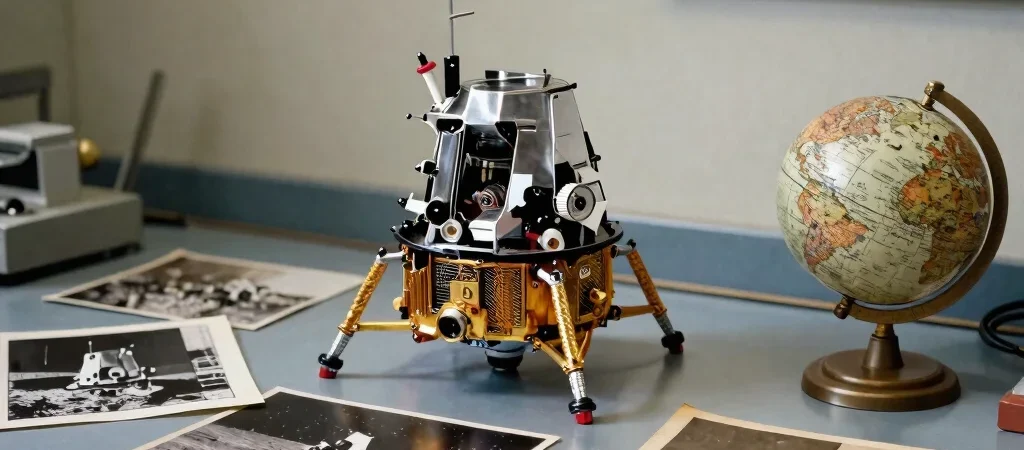
A search for a space mission can quickly lead to a tangle of names: destinations, spacecraft, launch vehicles, and program titles. Grouping projects by type gives the reader a steadier first step. It separates what a mission is trying to do from the many pieces involved in carrying it out.
Begin With the Mission Type
Moon missions, planetary missions, space telescopes, and exploratory missions offer different ways into the subject. Apollo provides a familiar example of a lunar program, while the Mars rovers illustrate surface exploration on another planet. Hubble belongs in a different route: it is a space telescope designed to observe the universe from orbit.
Keep the Context Attached
A project-type index is useful only if it leads to pages that explain the mission behind the label. A detail page should identify the destination or observing goal, the spacecraft involved, and the project’s place in a broader program where relevant. That context helps distinguish a mission’s purpose from the vehicle or instrument that carries it out.
Let One Question Lead
Choose the category that matches your first question, then follow the linked details outward. A lunar mission may lead you to a spacecraft; an observatory may lead you to the questions it was built to investigate. Start with the project type, and let the mission page show you where the story branches next.